Product Description
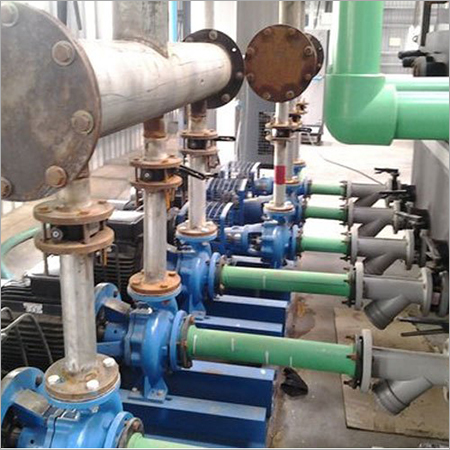
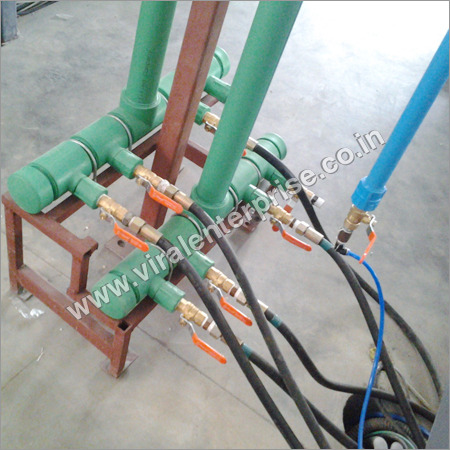
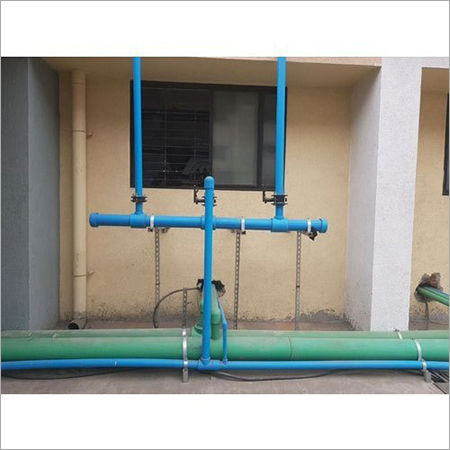
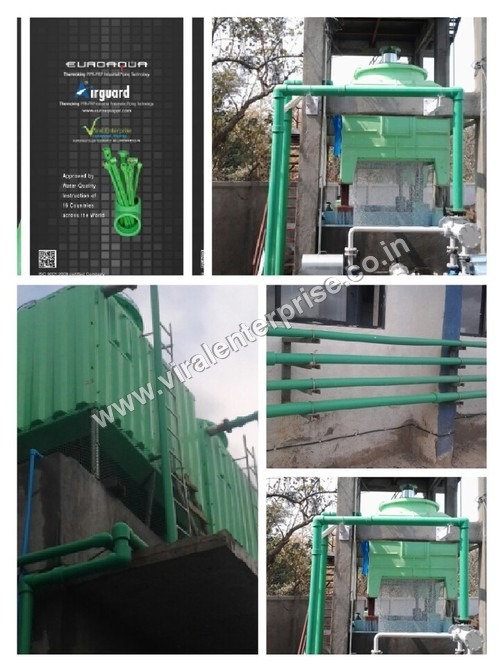
Plastic pipes called Airguard PPR (Polypropylene Random Copolymer) Pipe are used in plumbing systems to transport water and other fluids. PPR pipes are renowned for their superior chemical resistance, high temperature resistance, and extended service life. Airguard PPR pipes are suited for both hot and cold water applications because of the insertion of an air layer during construction, which increases insulation and lowers heat loss.
Frequently Asked Questions
Q: What is a PPR pipe from Airguard?
A: A type of piping system composed of polypropylene random copolymer (PPR) material is known as Airguard PPR pipe. It has strong resistance to heat, pressure, and chemical corrosion and is ideal for a variety of plumbing and HVAC (Heating, Ventilation, and Air Conditioning) applications.
Q: What benefits can Airguard PPR pipes offer?
A: There are various benefits to using Airguard PPR pipes, including:
- Excellent thermal resistance: They are appropriate for both hot and cold water supply systems and can sustain high temperatures.
- Due to their excellent level of chemical corrosion resistance, Airguard PPR pipes are appropriate for a variety of applications.
- Low thermal conductivity: By lowering energy loss and enhancing energy efficiency, these pipes have low heat transmission capabilities.
- Durability and dependability are provided by the long service life of Airguard PPR pipes.
- They are simple to handle and install because of their lightweight and flexible construction.
Q: What uses are Airguard PPR pipes appropriate for?
A: There are several applications for Airguard PPR pipes, including:
- Systems for supplying potable water: These can be used to distribute both hot and cold water in industrial, commercial, and residential structures.
- PPR pipes can be used in underfloor heating systems because of their outstanding thermal resistance in radiant heating systems.
- HVAC systems are appropriate for the movement of cooling systems, chilled water, and air distribution networks.
- Chemical transportation: A variety of chemicals and corrosive fluids can be transported using Airguard PPR pipes.
- PPR pipes can be used to distribute compressed air in industrial applications using compressed air systems.
Q: Are Airguard PPR pipes safe for the environment?
A: The answer is that Airguard PPR pipes are regarded as environmentally beneficial. In addition to being recyclable, they don't pollute the environment while they're in use. PPR pipe manufacturing also generates little waste and has a small environmental impact.
Q: Can outdoor applications be used with Airguard PPR pipes?
A: Yes, outdoor applications are possible for Airguard PPR pipes. They can tolerate exposure to sunlight since they are UV-resistant, which means they won't degrade. However, it's crucial to take into account the particular needs of the outside application and make sure the right installation procedures are used.
Superior Heat Fusion SealingAirguard PPR Pipes utilize heat fusion technology to create seamless and robust seals at every joint. This method ensures long-lasting, leak-free performance, particularly important for compressed air applications. The process not only speeds up installations but also eliminates the need for adhesives or mechanical fittings, reducing potential maintenance issues and system failures over time.
Adaptable to Demanding ConditionsDesigned to withstand rigorous use, these pipes handle pressures up to 2.5 MPa and temperatures reaching 95C. Their smooth internal surfaces minimize pressure loss and ensure optimal airflow while maintaining durability. The robust material grade PPR-80 contributes to longevity, corrosion resistance, and reliable service in even the most challenging environments.
FAQ's of Airguard PPR Pipe:
Q: How are Airguard PPR Pipes installed for compressed air supply lines?
A: Airguard PPR Pipes are typically installed using a heat fusion process, which involves joining pipe ends with heat to create a seamless, leak-resistant seal. This installation method ensures strong joints without the need for additional sealing materials, making it suitable for high-pressure compressed air systems.
Q: What advantages do Airguard PPR Pipes offer over traditional piping materials?
A: Unlike metal pipes, Airguard PPR Pipes are resistant to corrosion, lightweight, and maintain a smooth internal surface, reducing pressure loss. The rigid construction and heat fusion joints enhance durability and deliver reliable performance, especially in demanding air supply applications.
Q: When should I consider using the FRP variant of Airguard pipes?
A: The FRP (Fiber Reinforced Polymer) variant is ideal for installations requiring enhanced strength, impact resistance, or operation in environments with aggressive chemicals. Choose FRP when durability beyond standard PPR is required for system longevity and safety.
Q: Where can Airguard PPR Pipes be used effectively?
A: These pipes are best suited for compressed air supply lines in industrial, commercial, or manufacturing facilities. Their robust construction makes them reliable for various settings where temperature resistance and stable air pressure are critical.
Q: What is the recommended process for sealing Airguard PPR Pipe joints?
A: Sealing is achieved via heat fusion, a process that uses controlled heat to bond pipe sections at the molecular level, creating a permanent and leak-proof connection essential for air systems under pressure.
Q: What are the main benefits of using Airguard PPR Pipes for air line applications?
A: Key benefits include high pressure and temperature resistance, excellent sealing through heat fusion, low maintenance needs, corrosion resistance, and compliance with Schedule 40 standards-making them a stable and long-lasting choice for air supply systems.


 Send Inquiry







 English
 Spanish
 French
 German
 Italian
 Chinese (Simplified)
 Japanese
 Korean
 Arabic
 Portuguese


 Send Inquiry
 Send SMS
